


Green Roofs and Why They Matter For Local Communities and Ecosystems

In towns and villages across the UK, there’s a growing shift in how we think about public infrastructure. It’s no longer enough for a bus shelter or bench to simply exist; it needs to add value. To the environment. To the community. To the people who walk past it every day.
One of the simplest, most beautiful ways to do that? The green roof.

More than a roof — a living ecosystem
A green or living roof isn’t just an aesthetic choice. There’s plenty of evidence that highlights real ecological benefits. A BioScience journal writes “Green roofs represent a new frontier for urban ecosystems, offering opportunities to restore ecological function in the built environment.”
Even small installations (think bus shelters, kiosks, bike sheds) can provide measurable benefits to biodiversity, air quality, and temperature regulation. When multiplied across a town or city, those “patches of green” form a connected habitat network for pollinators and wildlife that otherwise struggle to find refuge in urban areas.
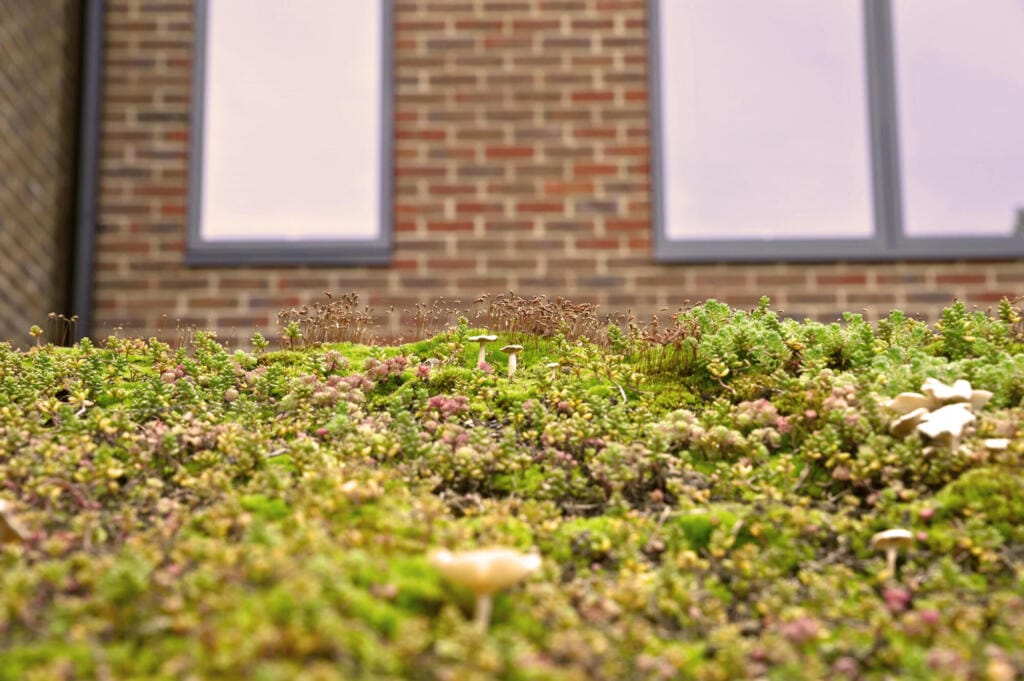

Cooling cities, capturing rain, cutting costs
Green roofs have been shown to:
-
Reduce stormwater runoff by up to 60%
-
Lower roof surface temperatures by as much as 40°C in summer months.
-
Extend roof lifespan two to three times longer than traditional roofing.
In practical terms for councils and planners, that means lower long-term maintenance costs, fewer drainage issues, and tangible progress toward sustainability targets through a simple design choice.

Why it matters for public procurement
For those responsible for specifying and purchasing public furniture, the benefits go beyond numbers. Green roofs help to:
-
Meet environmental commitments under biodiversity and climate action plans.
-
Visibly demonstrate care for the planet and the people living there.
-
Enhance local character, blending infrastructure into the natural environment.
As procurement teams increasingly face scrutiny on sustainability and lifecycle value, projects with verifiable environmental benefits carry greater weight. Green roofs deliver a suite of ecosystem services—stormwater management, thermal regulation, and aesthetic enhancement—that improve urban life while reducing costs.

The human touch
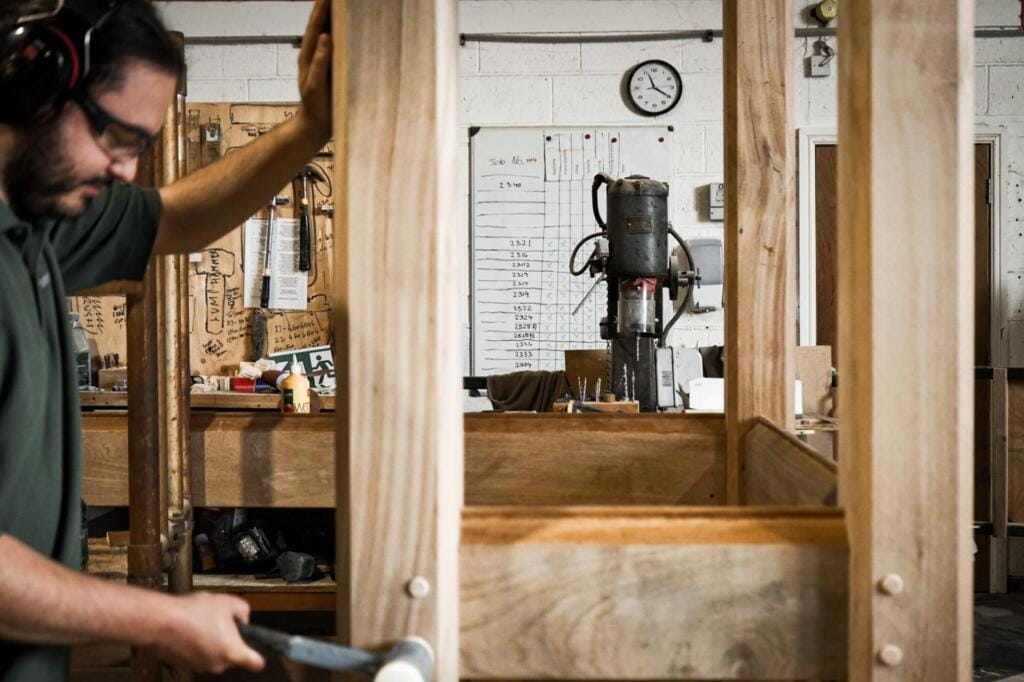
At Littlethorpe, we see green roofs as an extension of what we’ve always believed: build it to last. Every living roof we design sits atop sustainable FSC®-certified hardwood shelters, hand-built by joiners in Leicester. It’s craftsmanship meeting ecology; traditional skill supporting modern environmental design.
When a bus shelter becomes a small piece of green infrastructure, something shifts. A simple waiting place turns into a thriving micro-habitat. A council order becomes a climate action story.
A green roof is not a aesthetic luxury add-on. It’s a future-ready investment in community pride, ecological resilience, and the everyday experience of public space.
Get in touch with us if you’re interested in finding out more about living roofs.
By buying our FSC® Certified shelters, you are helping to preserve the future of the world’s forests by making sure the forests are properly maintained.
We are so confident in the robustness and quality of our work that we can offer exceptional guarantees. These ensure added protection and confidence to our customers.
- Five year guarantee against our shelters being kicked in or burnt down
- One year money-back guarantee against our 15mm toughened glass being broken

FSC® certificate number of INT-COC-003944-262
FSC® logo license number of FSC-C109654